The landscape of residential properties has undergone a significant transformation in recent years, driven by advancements in technology. Homeowners are increasingly seeking innovative solutions to enhance their outdoor spaces, optimize maintenance, and create sustainable environments. From smart irrigation systems to landscape design software, technology's role is profound and multifaceted.
The Role of Technology in Landscape Design
Modern residential landscape design leverages various technological tools that streamline the creative process. Landscape architects and designers can now utilize specialized software that offers 3D visualization, allowing clients to see potential designs before implementation. Programs like SketchUp and AutoCAD provide robust platforms for creating detailed plans, which can include everything from plant selections to hardscaping elements such as patios and walkways.
Using these digital tools not only enhances creativity but also fosters collaboration among stakeholders. Designers can easily share their ideas with clients, making adjustments based on feedback without the need for extensive revisions on paper. This efficiency can lead to better alignment between the homeowner’s vision and the designer’s expertise.
Drone Technology in Landscape Assessment
Drones have emerged as an invaluable asset in the field of residential landscaping. They provide aerial imagery that home landscaping helps landscape professionals assess property layouts, topography, and existing vegetation accurately. By capturing high-resolution images from above, drones facilitate more informed decision-making during the design phase.
For instance, a drone survey can identify sun exposure patterns across a yard throughout different seasons. This information is crucial for selecting plant species that will thrive in specific areas. Additionally, aerial imagery can highlight drainage issues or areas prone to erosion, enabling proactive planning for sustainable landscaping solutions.
Efficient Installation Through Technology
Once a design has been finalized, technology continues to play a pivotal role during installation. GPS-guided equipment enables contractors to execute precise placements of landscaping elements such as trees and shrubs. This accuracy minimizes waste and ensures that installations adhere closely to the designed layout.
Moreover, augmented reality (AR) applications allow crews to visualize how changes will look on-site before physically implementing them. By overlaying digital models onto real-world views through AR glasses or mobile devices, workers gain insights into spatial relationships and design fidelity directly in the field.
Smart Irrigation Systems
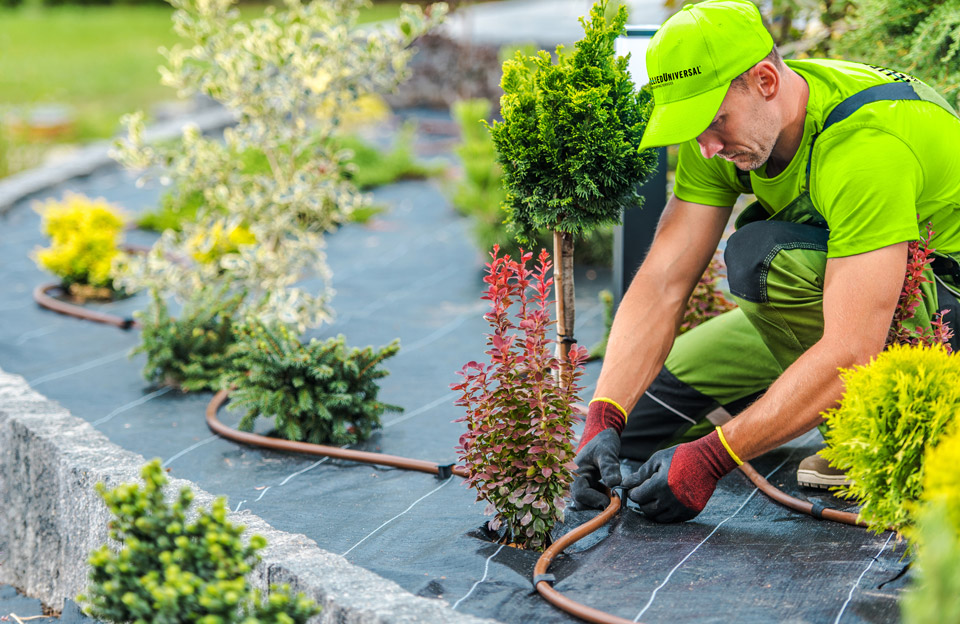
One of the most notable advancements in residential landscaping is the development of smart irrigation systems. These systems use soil moisture sensors and weather forecasts to optimize watering schedules dynamically. By delivering water only when necessary, homeowners can significantly reduce their water consumption while maintaining lush landscapes.
For example, a smart irrigation system might adjust watering times based on recent rainfall or even pause operations during cooler months when plants require less hydration. Many systems are compatible with smartphone apps that allow users to monitor water usage remotely and make real-time adjustments from anywhere.
Enhancing Maintenance with Technology
Maintaining a beautiful garden requires ongoing effort; however, technology simplifies this process considerably. Robotic lawn mowers have gained popularity for their ability to autonomously mow lawns while ensuring consistent results without human intervention. They operate on pre-set schedules and return themselves to charging stations when needed.
In addition to mowing, these devices can contribute positively to yard health by mulching clippings back into the lawn where they decompose naturally, providing nutrient enrichment without additional costs or labor.
Landscape Management Software
For those managing larger properties or multiple sites—such as rental properties or estates—landscape management software provides comprehensive solutions for efficient upkeep. These platforms often include features such as scheduling maintenance tasks, tracking expenses related to landscaping projects, and managing contracts with service providers.
Such software enhances accountability and transparency while allowing homeowners to make data-driven decisions about their residential Helpful hints landscape maintenance needs over time.
Sustainability Through Technological Integration
Sustainable practices are integral to modern residential landscaping efforts; technology supports these initiatives effectively. For instance, rainwater harvesting systems capture runoff from roofs for later use in gardens or lawns—a practice made easier with sensor-based monitoring technology that ensures optimal water levels are maintained without overflow risks.
Furthermore, smart lighting solutions equipped with motion sensors not only enhance security but also reduce energy consumption by activating lights only when needed. These systems allow homeowners to showcase their yards beautifully at night while contributing positively toward energy conservation efforts.
Native Plant Databases
Another technological advancement aiding sustainability is access to native plant databases via mobile apps and websites like Lady Bird Johnson Wildflower Center’s Native Plant Database or local extension services’ resources. Homeowners can quickly identify native species suited for their climate zone; these plants often require less maintenance compared to non-native varieties due largely because they are adapted naturally over centuries within given environments.
Utilizing native plants also supports local wildlife by providing habitats for pollinators like bees and butterflies further enriching biodiversity within urban settings—a key goal of sustainable landscaping practices today.
Balancing Aesthetics With Functionality
As much as technology empowers functionality within residential landscapes—from improving efficiency during installation processes through advanced machinery capabilities—to fostering sustainability via intelligent resource management strategies; aesthetics remain paramount too! Technological advancements enable greater creativity while harmonizing form with function seamlessly throughout outdoor spaces designed today!
Consider engaging technologies such as programmable outdoor lights outfitted with color-changing LED bulbs; you can set moods tailored precisely around events whether hosting friends one evening or celebrating holidays later down the line! Such versatility enhances enjoyment levels immensely!
Similarly exploring hardscape options like permeable pavers allows rainwater absorption effectively reducing runoff concerns while maintaining visual appeal alongside natural greenery on display creating picturesque scenes throughout every season!
Conclusion: Embracing Change
Embracing new technologies is essential for anyone involved in residential landscaping—from designers envisioning future landscapes transforming client dreams into tangible realities—to homeowners looking elevate their outdoor experience! As we move forward embracing innovations shaping our approach towards creating stunning yet functional yards remains vital!
By integrating cutting-edge tools available today alongside eco-friendly practices rooted deeply within community dynamics we foster collective growth benefiting all aspects involved—from enhancing property values through beautifully landscaped spaces enjoyed widely beyond mere aesthetics alone!